

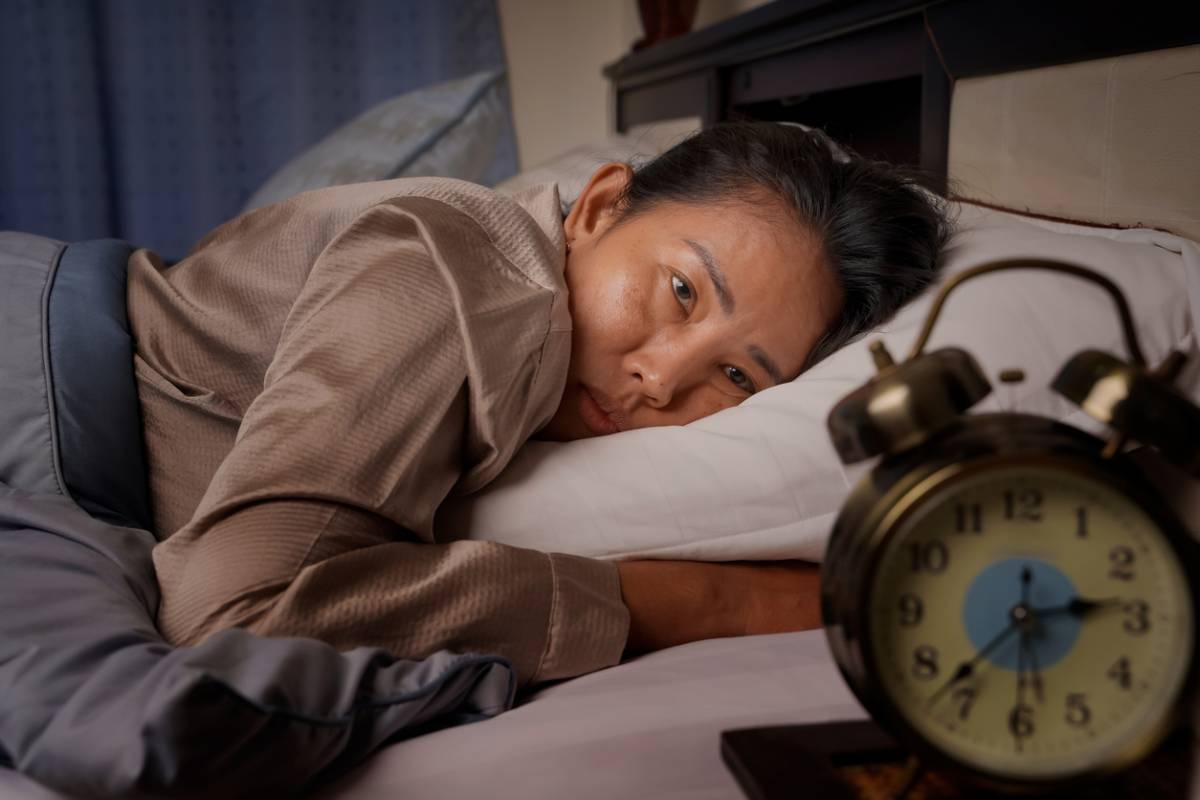
Under-eye bags are a common concern. The natural aging process, genetics, and poor lifestyle habits lead to tired, aged under-eyes. Puffiness, sagging, and shadows form under the eyes. Fine lines and wrinkles can make the area look even worse. Under-eye bags are common because the skin around the eyes is thin and delicate. It is much more susceptible to aging and at a much faster rate than the rest of the face. Below you will find more information on how aging contributes to under-eye bags.
How Aging Contributes to Under-Eye Bags
Aging affects the lower eyelids in several ways. The changes compound and can leave the under-eyes looking tired and aged. Puffiness, hollows, skin sagging, fine lines, wrinkles, and shadows can leave the under eyes looking less than refreshed. In many cases, under-eye bag removal is necessary to fully address the issue.
Thin and Delicate Under-Eye Skin
The skin under the eyes is much thinner and more delicate than the skin on other parts of the face. A reduction in the production of collagen and elastin characterizes the natural aging process. These are two proteins that keep the skin firm and youthful-looking. These proteins decline in production as early as your 20s. This continues throughout your lifetime.
A loss of collagen and elastin weakens the skin. When this occurs, the fat pads underneath the eyes become more pronounced. Puffiness and wrinkles become much more visible. Light also reflects much differently, making under-eye bags appear much more prominent.
Weak Eyelid Muscles
Muscles support the lower eyelids, keeping them smooth and tight. Over time, those muscles weaken and lose their natural tone. This makes it much more difficult to hold the fat pads under the eyes in place. Fat then pushes forward, creating a puffy, swollen appearance. Eye bags become much more pronounced.
Weak muscles also contribute to the appearance of sagging skin under the eyes. When the eyelids sag, it can pull down on your lower eyelid. This can lead to tearing and dry eyes. The weakened muscle causes both aesthetic and functional issues.
Changes in Fat Over Time
As the face naturally ages, the facial fat changes. Volume loss is very common. This occurs under the eyes and in the midface. The fat that once kept the lower eyelid and upper cheek plump shifts down. This leaves the under-eye area exposed, leading to dark circles and sagging skin. The deeper groove in the tear trough makes you look tired and much older.
In addition to volume loss, fat redistribution occurs. Sometimes fat may remain under the eyes. However, when the fat is not even, it can create the appearance of under-eye bags. The combination of hollowness and puffiness from fat redistribution can affect the appearance of the under-eyes.
Treatment for Under-Eye Bags
Under-eye bags often require surgical intervention. Many people hope that topical treatments can address the issue. However, these treatments often overpromise and underdeliver. This is because the issue is structural. Weakened muscles, volume loss, fat redistribution, and skin changes cannot be addressed with lotions or serums. Surgical treatment at the center for eyelid surgery is the most effective way to address the issue.
Lower Eyelid Surgery
Lower eyelid surgery is the most effective treatment for under-eye bags. The process begins with a consultation with a skilled surgeon. They can assess your under-eye bags and determine if you are a good candidate for the procedure. The procedure is performed on an outpatient basis so that you can go home the same day.
The surgery is performed under local anesthesia and sedation. General anesthesia may be an option, depending on your unique needs and the complexity of the case. This will be discussed at your consultation, so you are prepared on the day of surgery. The surgeon begins by removing excess skin, muscle, and fat under the eyes. Sometimes, the excess fat is repositioned to create a smoother under-eye area. The muscle is tightened to provide structural support to the area. The incisions are made under the eyelid or below the lash line. This reduces the appearance of visible scarring after surgery.
The recovery process is smooth, as most patients are back to their routine within two weeks. To ensure a smooth recovery, follow your surgeon’s postoperative instructions. This reduces your risk for complications. It also ensures optimal results. You may notice swelling, bruising, and mild discomfort after surgery. This can be effectively managed by keeping your head elevated and using a cold compress. Take your prescribed medication to help with any discomfort. Attend all of your follow-up appointments to ensure your recovery is going as planned.
How to Maintain Your Results After Lower Eyelid Surgery
Investing in your appearance with lower eyelid surgery can refresh your entire look. To ensure these results last, consider the following ways to care for your eyes after surgery.
Protect Your Skin
Wear at least SPF 30 on a daily basis, even if you do not go outdoors. Sun exposure is the fastest way to damage your skin. Avoid going outdoors during peak hours. If you do go outside, wear a wide-brimmed hat and protective sunglasses for added protection.
Consistent Sleep
Sleep is an excellent way to keep yourself looking and feeling young. It can also positively impact your results. Poor sleep causes fluid retention and swelling under the eyes. This causes your skin to stretch unnecessarily. Aim for at least seven to nine hours of sleep each night to support long-term results.
Regular Maintenance Treatments
Regular check-ins with your surgeon can ensure your results last. They can assess your under-eyes and determine if you need additional treatments. Many patients benefit from post-surgery skin treatments. This can prolong your results and leave you looking refreshed for much longer.
Top Center for Eyelid Surgery
Under-eye bags can make you look tired and much older than you are. If you want to refresh your under-eyes, contact the team at Revive Eye and Face today to schedule your consultation!


